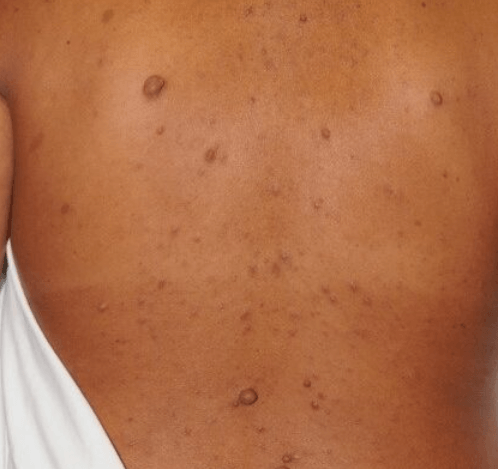
What Is NF1 Neurofibromatosis? A Complete Guide to Symptoms, Causes, and Management
Neurofibromatosis Type 1 is one of the most common inherited genetic disorders affecting the nervous system. If you are searching for what is NF1 neurofibromatosis, it refers to a condition that causes tumors to grow along nerves in different parts of the body. These tumors are usually noncancerous, but they can lead to a wide range of health issues depending on where they develop and how large they become.
Understanding what is NF1 neurofibromatosis is important because early diagnosis and regular medical care can help manage symptoms and reduce the risk of complications. Although the condition is lifelong, many individuals with NF1 live active and productive lives with proper monitoring and support.
What Is NF1 Neurofibromatosis?
To answer the question what is NF1 neurofibromatosis, it is a genetic disorder caused by changes in a gene responsible for controlling cell growth. When this gene does not function correctly, nerve tissue cells can grow uncontrollably, leading to the formation of neurofibromas, which are benign tumors that develop on or around nerves.
NF1 is usually diagnosed during childhood because many of its early signs appear in the first few years of life. However, the severity of symptoms varies greatly from one person to another, even within the same family.
What Causes NF1 Neurofibromatosis?
When discussing what is NF1 neurofibromatosis, understanding its cause is essential. The condition develops because of a mutation in the NF1 gene.
This mutation may be:
Inherited from a Parent
A child has a significant chance of inheriting NF1 if one parent has the condition.
A New Genetic Mutation
In many cases, the condition develops even when there is no family history. This occurs because the genetic mutation happens spontaneously before birth.
Since NF1 is genetic, it cannot be prevented. However, early recognition allows for better long-term management.
Common Symptoms of NF1 Neurofibromatosis
The symptoms of NF1 differ widely among individuals. Some experience only mild skin changes, while others develop more noticeable complications.
Skin Changes
The earliest signs often include:
- Light brown skin patches
- Freckling in areas such as the underarms or groin
- Soft, raised bumps on or beneath the skin
Nervous System Changes
Some individuals may experience:
- Headaches
- Nerve pain
- Tingling sensations
- Muscle weakness
- Learning difficulties
Bone and Growth Differences
NF1 can also affect the bones, leading to:
- Curved spine
- Bone abnormalities
- Differences in growth or development
Recognizing these symptoms helps answer what is NF1 neurofibromatosis and highlights why medical evaluation is important.
How Is NF1 Neurofibromatosis Diagnosed?
Doctors use several methods to diagnose NF1.
Physical Examination
Healthcare providers look for characteristic skin changes, tumors, and other clinical features.
Family Medical History
A detailed family history may help identify inherited cases.
Genetic Testing
Genetic testing can confirm changes in the NF1 gene when the diagnosis is uncertain.
Imaging Studies
MRI or CT scans may be recommended to detect tumors affecting internal nerves or the brain and spinal cord.
Regular evaluations remain important because new symptoms may develop over time.
Treatment Options for NF1 Neurofibromatosis
There is currently no cure for NF1. Instead, treatment focuses on controlling symptoms and preventing complications.
Routine Monitoring
Regular medical checkups help detect changes before they become serious.
Surgical Removal
Some tumors may require surgery if they cause pain, interfere with movement, or affect nearby organs.
Rehabilitation Services
Physical therapy, occupational therapy, and educational support may improve daily functioning and quality of life.
Symptom Management
Pain management and treatment of specific complications help many individuals remain active and independent.
The treatment plan depends on each person’s symptoms, making individualized care essential.
Living With NF1 Neurofibromatosis
Living with NF1 involves ongoing healthcare, but it does not prevent many people from enjoying school, work, family life, and hobbies.
Healthy lifestyle habits can support overall well-being, including:
Maintain Regular Medical Visits
Routine monitoring helps identify changes early.
Stay Physically Active
Exercise supports strength, flexibility, and overall health.
Eat a Balanced Diet
Nutritious foods promote general wellness and help maintain energy levels.
Build a Support Network
Family members, friends, and healthcare professionals can provide valuable emotional and practical support.
Learning what is NF1 neurofibromatosis also helps families understand the importance of long-term follow-up and early intervention when new symptoms appear.
See also: Luxury Home Builder Toronto: Creating Elegant Homes Designed for Modern Living
Conclusion
If you have been wondering what is NF1 neurofibromatosis, it is a genetic condition that affects nerve tissue and can lead to the growth of benign tumors throughout the body. While symptoms vary considerably, early diagnosis, regular monitoring, and personalized medical care can make a significant difference. By understanding what is NF1 neurofibromatosis, individuals and families can recognize symptoms sooner, make informed healthcare decisions, and take positive steps toward managing this lifelong condition.