Heated Flooring Installation: Everything You Need to Know Before Upgrading Your Home
Few home improvements offer the same level of comfort and luxury as heated flooring installation. Radiant floor heating transforms cold floors into warm, inviting surfaces while providing consistent heat throughout a room. Whether you’re remodeling a bathroom, updating a kitchen, or building a new home, heated flooring installation is an energy-efficient solution that enhances comfort and adds long-term value.
As more homeowners look for modern heating alternatives, radiant floor systems have become increasingly popular due to their efficiency, quiet operation, and compatibility with various flooring materials. Understanding how these systems work and where they perform best can help you determine if this upgrade is right for your home.
What Is Heated Flooring Installation?
Heated flooring installation involves placing a radiant heating system beneath the finished flooring. The system warms the floor surface, which then radiates heat evenly throughout the room.
Unlike traditional forced-air systems that heat the air through vents, radiant flooring delivers warmth directly from the floor upward. This creates a more comfortable indoor environment with fewer temperature fluctuations.
There are two primary types of radiant floor heating systems:
Electric Radiant Heating
Electric systems use heating cables or mats installed beneath the flooring. They are commonly used in smaller spaces such as bathrooms, kitchens, and entryways due to their relatively simple installation.
Hydronic Radiant Heating
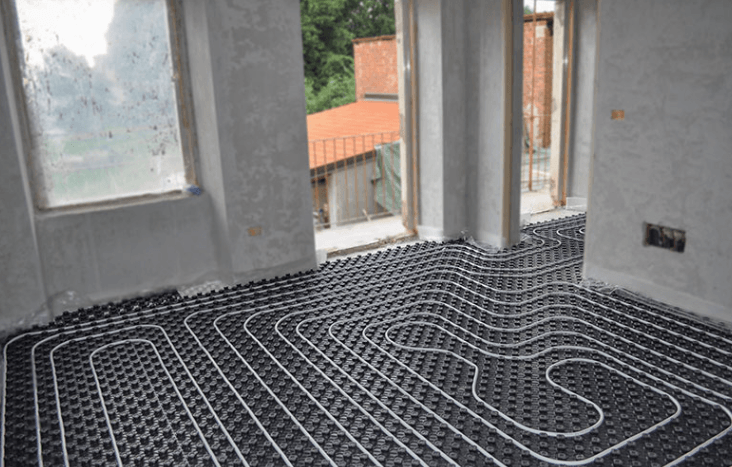
Hydronic systems circulate warm water through flexible tubing installed beneath the floor. These systems are often selected for larger homes or whole-house heating because they are highly energy efficient over larger areas.
Benefits of Heated Flooring Installation
Homeowners choose heated flooring installation for several practical and lifestyle benefits.
Consistent Comfort
Radiant flooring provides even heat distribution across the entire room. Unlike forced-air systems that create warm and cool spots, heated floors maintain a steady, comfortable temperature.
Improved Energy Efficiency
Many radiant heating systems use energy more efficiently because they operate at lower temperatures while still delivering excellent comfort.
Quiet Operation
Since there are no fans, blowers, or moving air, heated flooring installation operates silently, creating a peaceful indoor environment.
Better Indoor Air Quality
Forced-air heating can circulate dust, allergens, and pet dander throughout the home. Radiant floor heating eliminates this issue because it does not rely on air movement.
Increased Home Value
Modern homebuyers often appreciate energy-efficient upgrades. Installing radiant heated flooring may improve the appeal and value of your property.
Best Flooring Materials for Heated Flooring Installation
Choosing compatible flooring ensures the heating system performs efficiently.
Ceramic and Porcelain Tile
Tile is one of the best flooring materials for heated flooring installation because it transfers heat quickly and retains warmth for extended periods.
Natural Stone
Stone flooring conducts and stores heat exceptionally well, making it another excellent option for radiant heating.
Luxury Vinyl Plank
Many modern luxury vinyl products are designed to work with radiant heating systems when installed according to manufacturer recommendations.
Engineered Hardwood
Engineered wood generally performs better than solid hardwood over radiant heating because it is more stable during temperature changes.
Laminate Flooring
Certain laminate flooring products are compatible with radiant heating systems. Always verify manufacturer specifications before installation.
Rooms That Benefit Most
While heated flooring installation can be used throughout the home, some rooms benefit more than others.
Bathrooms
Stepping onto a warm bathroom floor on a cold morning adds noticeable comfort while helping maintain a pleasant room temperature.
Kitchens
Many families spend significant time standing while cooking. Heated floors improve comfort during daily meal preparation.
Basements
Basements often feel cooler than upper floors. Radiant heating helps transform these spaces into warm, comfortable living areas.
Bedrooms
Warm flooring creates a cozy atmosphere, especially during colder months.
Entryways
Radiant heat helps dry moisture from shoes and reduces the cold feeling often experienced near exterior doors.
Planning a Heated Flooring Installation
Proper planning contributes to a successful installation.
Before beginning your project, consider:
- Room size
- Flooring compatibility
- Existing subfloor condition
- Available electrical or plumbing connections
- Overall heating requirements
- Budget for materials and installation
Working with experienced flooring professionals helps ensure the system is installed correctly.
Installation Process
Although installation methods vary depending on the heating system, the general process includes:
Step 1: Prepare the Subfloor
The subfloor is cleaned, leveled, and inspected for moisture or structural issues.
Step 2: Install Heating Components
Electric heating mats or hydronic tubing are carefully positioned according to the room layout.
Step 3: Connect the System
The heating system is connected to the thermostat and electrical or plumbing supply.
Step 4: Install Flooring
Once the heating system is tested, the selected flooring material is installed over the radiant heating system.
Step 5: Final Testing
Before regular use, the entire system is tested to ensure proper operation and consistent heat distribution.
Maintenance Tips
One advantage of heated flooring installation is its low maintenance requirements.
To maximize performance:
- Avoid damaging the floor during renovations.
- Follow manufacturer recommendations for thermostat settings.
- Inspect the system periodically if recommended.
- Use compatible cleaning products for your flooring material.
- Address any performance issues promptly.
With proper care, radiant floor heating systems can provide reliable comfort for many years.
Is Heated Flooring Worth the Investment?
Although the initial installation cost may be higher than traditional heating methods, many homeowners find the long-term benefits worthwhile. Improved comfort, energy efficiency, quiet operation, and compatibility with various flooring materials make heated flooring installation a valuable upgrade.
Homes located in colder climates often benefit the most, but radiant floor heating can enhance comfort in virtually any residence.
See also: Commercial Mortgage Loans: A Complete Guide for Business Property Financing
Conclusion
Choosing heated flooring installation is an excellent way to improve both comfort and energy efficiency throughout your home. Whether you’re remodeling a bathroom, upgrading a kitchen, or designing a new living space, radiant floor heating provides consistent warmth, quiet operation, and lasting performance.
By selecting compatible flooring materials, planning the installation carefully, and maintaining the system properly, homeowners can enjoy warm, comfortable floors and a more enjoyable indoor environment for years to come.