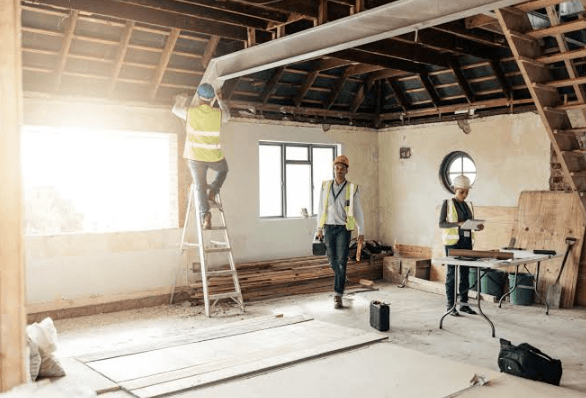
The Invisible Blueprint: Securing Your Real Estate Legacy with Homecheck
Entering a newly constructed high-rise property or taking handover of a premium residential asset in modern urban hubs requires an advanced, systematic approach to quality assurance. For many, a home is the single largest investment of a lifetime, yet the process of verifying its integrity is often left to the naked eye. This is where Homecheck emerges as the gold standard in premium property diagnostics, bridging the gap between architectural intent and structural reality.
By utilizing specialized diagnostic teams like 안전진단, investors can access premium apartment pre-inspection and technical defect diagnosis services that preserve property value and ensure structural protection. In an era where corporate construction can occasionally prioritize speed over precision, Homecheck acts as a critical filter, identifying hidden structural flaws, corporate construction scams, and potential financial deceptions before the official keys change hands.
1. Introduction to Homecheck: Premium Apartment Pre-inspection & Defect Diagnosis
Homecheck represents a paradigm shift in how real estate handovers are conducted. No longer is a simple walkthrough sufficient for the discerning buyer. Today’s multi-family infrastructure diagnostic procedures require a high level of technical expertise to navigate the complexities of modern engineering.
The Role of High-Precision Diagnostics
A legitimate professional inspection firm like Homecheck encourages complete transparency. They utilize advanced methodologies such as:
- Thermographic Imaging: To detect insulation voids and thermal bridges behind walls.
- Ultrasonic Assessments: To log wall cracks and internal concrete inconsistencies.
- Digital Moisture Meters: To identify moisture retention inside wallpaper layers or underlying slabs before they lead to mold or delamination.
Homecheck inspectors are often verified professionals with civil engineering credentials and industrial experience, ensuring that your heavy capital investments are not put at risk. This systematic risk mitigation is not just about finding flaws; it is about providing the great earning potential that comes from owning a certified, defect-free asset.
2. The Ultimate Checklist: Essential Items for New Apartment Pre-inspection
A successful pre-inspection requires more than just curiosity; it requires a structured “Essential Checklist” that focuses on micro-defects often ignored by developers. When performing a Homecheck-style audit, the following areas must be scrutinized with precision:
Internal Surface Integrity
- Micro-cracks in Concrete Slabs: Often invisible to the untrained eye, these can signal deeper settlement issues.
- Wall Delamination: Checking for areas where plaster or wall layers are separating from the core structure.
- Floor Tilt and Leveling: Using laser levels to ensure bathroom tiling and main living areas are perfectly flat to prevent drainage issues.
Finishing and Sealing
- Window Sealing: Poor sealing is a primary cause of condensation and energy loss.
- Moisture Retention: Utilizing moisture meters to check for hidden dampness in the fabric of the home, which can lead to rising damp.
- Plumbing and Electrical Routing: Ensuring that sub-standard routing isn’t hidden behind the aesthetics of a “premium” finish.
The Professional’s Tool Kit
To execute this checklist, Homecheck professionals rely on a specialized collection of items:
- Thermal Cameras: For electrical hotspots and heat leaks.
- Laser Levels: For precision floor and wall assessments.
- Digital Moisture Meters: For forensic damp detection.
3. Why Structural Safety Diagnosis and Seismic Performance Evaluation Matter
The urban real estate market is highly attractive, but building lifespan and structural resilience must remain a top priority. In regions prone to geological instability, a seismic performance evaluation is not an optional luxury—it is a survival necessity.
Building Resilience in Extreme Weather
As architects worldwide respond to climate emergencies, the need for resilient buildings has never been higher. Homecheck evaluates how a building is designed to handle extreme weather events and whether the core construction records match the actual build.
Structural Integrity Reviews
Before approving an engineering sign-off, it is vital to check:
- Core Construction Records: Ensuring the materials used match the authorized business registration data.
- Foundation Settlement: Assessing if the building is settling at an expected rate or showing signs of structural distress.
- Civil Audits: Reviewing past audits to ensure the structure features the necessary safety architecture to provide a secure living environment.
A safe building provides more than just shelter; it offers a secure environment where occupants can live without fear or anxiety regarding the very ground they stand on.
4. How to Claim Defect Repair Deposits and Tips for Common Area Inspection
The final stage of the Homecheck process involves leveraging the findings to protect your financial interests. One of the most critical aspects of this is the management of defect repair deposits and the systematic documentation of discrepancies.
The Power of the Formal Report
A professional Homecheck audit results in a formal report. This document is not merely a list of complaints; it is a technical instrument that binds the construction company to perform restorative actions before the keys are handed over. If a developer hesitates to allow this detailed pre-inspection or pushes for an immediate handover, it should be treated as a major red flag.
Navigating Common Area Inspections
While your individual unit is vital, the “Common Areas” often hide the most significant structural liabilities. A comprehensive inspection should include:
- Elevator Shafts and Stairwells: Checking for structural cracks that affect the entire building.
- Basement and Parking Levels: These areas are most susceptible to moisture ingress and foundation issues.
- Roofing and Insulation: Ensuring the building’s “envelope” is secure.
Claiming Your Deposit
To successfully claim defect repair deposits, you must:
- Document Early: Identify issues during the pre-handover window.
- Withhold Approval: Do not sign final occupancy papers until an independent audit is performed and discrepancies are addressed.
- Use Verified Data: Use the thermographic and ultrasonic logs as indisputable evidence of technical defects.
See also: Commercial Mortgage Loans: A Complete Guide for Business Property Financing
Conclusion: The Homecheck Advantage
In the competitive world of modern real estate, “buyer beware” has been replaced by “buyer audit.” Homecheck provides the technical lens necessary to see through the high-gloss finishes and identify the true health of a property. By focusing on premium apartment pre-inspection, structural safety diagnosis, and a rigorous approach to defect diagnosis, you are not just buying a home; you are securing a legacy.
Whether you are a corporate investor assessing a multi-family complex or a family moving into your dream apartment, remember that a safe building provides a secure environment where facilities can be utilized without anxiety. Always opt for verified engineering firms where inspectors have proper credentials, ensuring your time and capital are never at risk. With Homecheck, the invisible blueprint of your home finally becomes clear.