Landfill Diversion: Reducing Waste for a More Sustainable Future
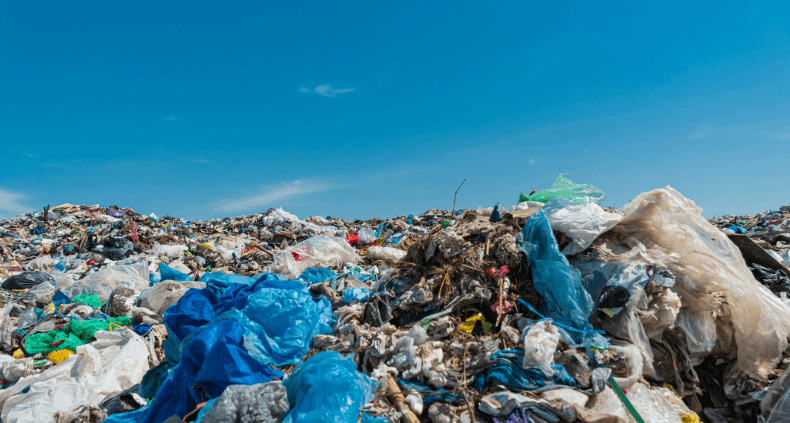
As communities and industries generate increasing amounts of waste, finding sustainable ways to manage it has become more important than ever. One of the most effective strategies is landfill diversion, a process that redirects waste away from landfills through recycling, reuse, composting, and material recovery. By reducing the volume of waste sent to disposal sites, landfill diversion helps conserve resources, protect the environment, and support long-term sustainability.
Whether you are a homeowner, business owner, or contractor, understanding the importance of landfill diversions can help you make smarter waste management decisions that benefit both the environment and future generations.
What Is Landfill Diversion?
Landfill diversion refers to the practice of preventing waste from being disposed of in landfills by finding alternative methods for managing reusable or recyclable materials. Instead of treating all waste as garbage, diversion focuses on identifying materials that can be recovered, repurposed, or recycled.
This approach supports a circular economy where valuable resources remain in use for as long as possible rather than being discarded after a single use.
Why Landfill Diversion Matters
Landfills have limited capacity, and as waste continues to accumulate, they require additional land and resources to operate. Landfill diversion helps address this challenge by reducing the amount of waste entering these facilities.
Some of the key benefits include:
- Conserves valuable landfill space
- Reduces environmental pollution
- Protects natural resources
- Encourages recycling and reuse
- Supports sustainable communities
- Lowers greenhouse gas emissions from waste decomposition
Every diverted item contributes to a cleaner and healthier environment.
Common Materials Suitable for Landfill Diversion
Many everyday materials can be kept out of landfills through proper sorting and recycling.
Paper and Cardboard
Paper products are among the easiest materials to recycle.
Examples include:
- Office paper
- Newspapers
- Cardboard boxes
- Magazines
- Paper packaging
Keeping paper clean and dry improves recycling efficiency.
Plastics
Many plastic products can be recovered and processed into new materials.
Common recyclable plastics include:
- Beverage bottles
- Food containers
- Household packaging
- Plastic storage containers
Sorting plastics properly improves the success of landfill diversion efforts.
Metal
Metal is highly recyclable and can often be reused repeatedly without losing quality.
Examples include:
- Aluminum cans
- Steel containers
- Scrap metal
- Household metal items
Glass
Glass bottles and jars can be recycled multiple times, reducing the need for new raw materials.
Organic Waste
Food scraps and yard waste can often be composted instead of being sent to landfill, creating nutrient-rich compost for landscaping and gardening.
How Businesses Can Improve Landfill Diversion
Businesses generate significant amounts of waste, making them important contributors to sustainable waste management.
Conduct Waste Audits
Understanding the types of waste produced helps businesses identify opportunities to improve landfill diversion.
Separate Recyclable Materials
Providing clearly labeled recycling containers encourages proper waste sorting.
Reduce Packaging
Using minimal or recyclable packaging decreases overall waste generation.
Train Employees
Employee education improves recycling participation and reduces contamination of recyclable materials.
Landfill Diversion in Construction Projects
Construction and demolition activities produce large volumes of waste that can often be recycled instead of discarded.
Materials commonly diverted include:
- Concrete
- Wood
- Drywall
- Asphalt shingles
- Metal
- Cardboard
- Bricks
Sorting materials on-site supports efficient landfill diversion while reducing disposal volumes.
Everyday Ways to Support Landfill Diversion
Individuals can make a meaningful difference through simple daily habits.
Recycle Consistently
Separate recyclable materials from household garbage whenever possible.
Reuse Household Items
Before throwing something away, consider whether it can be repaired, donated, or repurposed.
Compost Organic Waste
Food scraps and yard waste can often be composted instead of entering the waste stream.
Buy Reusable Products
Choosing reusable shopping bags, water bottles, and food containers reduces disposable waste.
Purchase Recyclable Packaging
Selecting products packaged with recyclable materials supports sustainable consumption.
Environmental Benefits of Landfill Diversion
The positive impact of landfill diversion extends well beyond reducing waste volumes.
Conserves Natural Resources
Recycling allows valuable materials to be reused, reducing the need for mining, logging, and manufacturing from virgin resources.
Saves Energy
Producing goods from recycled materials often requires less energy than creating products from raw materials.
Protects Ecosystems
Reducing landfill use minimizes land disturbance and helps preserve natural habitats.
Reduces Pollution
Less waste entering landfills means fewer emissions and lower risks of soil and water contamination.
Challenges and Opportunities
Although landfill diversion offers significant benefits, success depends on public participation and proper waste management practices. Contaminated recyclables, poor waste separation, and limited awareness can reduce diversion rates.
Fortunately, increasing education, improved recycling infrastructure, and better waste sorting technologies continue to create new opportunities for higher diversion rates. As more people adopt responsible disposal habits, communities become cleaner and more resource-efficient.
Building a Sustainable Future
Every action taken to reduce waste contributes to long-term environmental protection. Whether recycling household materials, composting food waste, or separating construction debris, each effort supports the broader goal of conserving resources and reducing landfill dependence.
When individuals and businesses work together, landfill diversion becomes an effective strategy for creating healthier communities and a more sustainable future.
See also: Commercial Mortgage Loans: A Complete Guide for Business Property Financing
Conclusion
Implementing landfill diversion practices is one of the most effective ways to reduce waste, conserve natural resources, and protect the environment. Through recycling, composting, material reuse, and responsible waste sorting, valuable resources remain in circulation instead of being buried in landfills. Whether at home, in the workplace, or on construction sites, every effort toward landfill diversion supports cleaner communities and a more sustainable future. Making waste reduction a daily habit benefits both the environment and generations to come.