5 Ways Gentle Density Is Reshaping Canada’s Approach to Affordable Housing
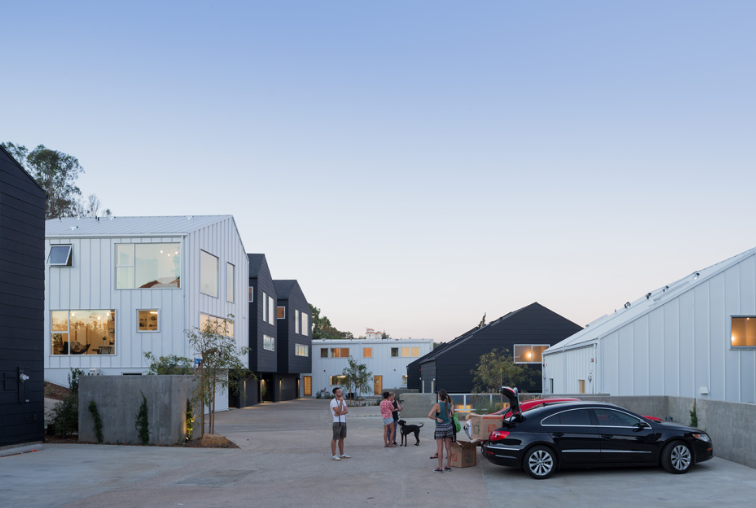
Canada is quietly rewriting the rules of urban housing — and the tool driving that change is more understated than most people expect. Gentle density, which involves introducing duplexes, triplexes, laneway homes, and garden suites into established residential neighborhoods, has emerged as one of the most effective and community-sensitive strategies available to cities today. Rather than demanding dramatic skyline transformations or uprooting existing neighborhoods, it works from within — building affordability gradually, in ways that resonate with residents, planners, and policymakers alike.
It brings affordable options into established, well-served neighborhoods
For decades, affordable housing was built on the urban fringe, far from transit lines, employment hubs, and community services. Gentle density — through secondary suites, garden suites, and small multi-unit dwellings — challenges that pattern by creating affordable options within mature, well-connected neighborhoods. The result is better access to transit, jobs, and amenities for the people who need it most. Actor and environmentalist Ed Begley Jr. offered a compelling real-world example when he added an accessory dwelling unit (ADU) to his Los Angeles home as a practical, eco-conscious solution. His experience illustrates how ADUs can expand housing options within established neighborhoods without disrupting the communities around them.
It unlocks the potential of underused residential land
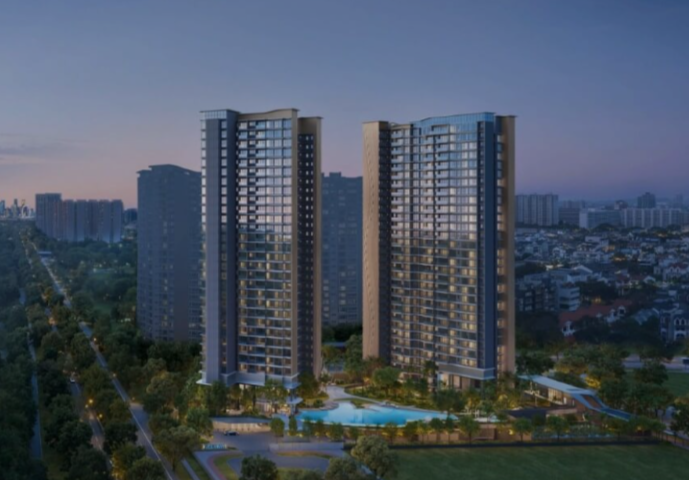
Some of the most valuable land in Canadian cities is sitting largely unused — expansive single-family lots that house one household where several could comfortably live. Gentle density activates that untapped potential. Converting or subdividing these lots into two, three, or four homes multiplies housing supply meaningfully, without requiring new land acquisition or greenfield development. It’s an approach that works with what already exists, making housing growth both efficient and economically sensible.
It lowers the cost barrier for smaller developers and homeowners
Large-scale residential towers require significant capital, lengthy timelines, and institutional-level investment. Gentle density operates on an entirely different scale. A homeowner adding a laneway suite or a small developer building a triplex can enter the housing market with far more modest resources. This democratization of housing production means supply can grow through thousands of smaller projects rather than a handful of massive ones — a pace that keeps the market more responsive, more diverse, and more adaptable to local needs.
It builds the kind of neighborhoods where people genuinely want to live
Affordability alone doesn’t define a great neighborhood — the social fabric matters just as much. Gentle density nurtures the mixed-income, multigenerational communities that make neighborhoods vibrant and resilient over time. When a single block is home to retirees, young families, students, and working professionals, local businesses thrive, schools stay active, and community ties strengthen organically. This kind of social richness is something large-scale tower development rarely achieves at street level, and it remains one of gentle density’s most underappreciated strengths.
See also: Turning Your Website Into a Powerful Business Growth Platform
It aligns with the direction Canadian housing policy is heading
Across the country, provinces and municipalities are reforming zoning laws to permit gentle density as of right — meaning property owners can add units without navigating lengthy approval processes. British Columbia, Ontario, and several major cities have already moved in this direction with considerable momentum. These regulatory shifts reflect a growing consensus that gentle density is not a niche strategy; it is a cornerstone of sustainable, affordable urban growth. Policy and practice are converging, and the pace of change continues to accelerate.
Alain Cogan is a Canadian real estate developer, entrepreneur, and finance professional advancing sustainable, community-focused urban development. Alain Cogan serves as Principal and President of Oikoi Living, a Toronto-based company specializing in purpose-built rental housing, and is the founder of Cogan Financial Capital Group Ltd. As gentle density gains momentum across the country, it is proving to be more than a policy trend. It delivers real affordability, preserves neighborhood character, and supports sustainable urban growth — a practical, inclusive model set to shape Canadian cities for years to come.