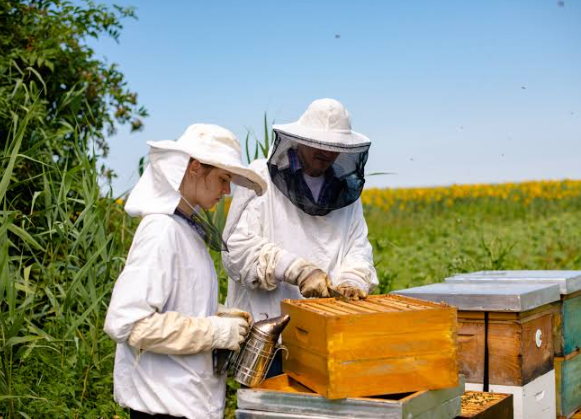
5 Ways Beekeeping Encourages Patience, Responsibility, and Environmental Awareness
Beekeeping offers a distinctive lens on the natural world through careful observation, consistent care, and quiet dedication. Every hive moves to a detailed rhythm dictated by seasonal changes, blooming flowers, and the shared labor of thousands of individual bees. Success comes to beekeepers who learn to read these subtle cues and respond thoughtfully to the colony’s evolving needs. Far beyond harvesting honey, tending bees builds patience, instills a deep sense of personal responsibility, and highlights the intricate webs connecting insects, plants, and healthy habitats.
Developing Patience Through the Natural Rhythms of a Hive
A healthy hive runs on its own internal clock. Worker bees forage for nectar and pollen, nurse young brood, clean the comb, and shield the queen as she lays eggs. These ongoing tasks adapt to changing weather and available forage. Tending to bees teaches handlers to step back and respect natural timelines. Building a resilient colony takes months of monitoring, subtle adjustments, and steady commitment. Because honey yields depend entirely on local blooms and weather conditions, beekeepers develop a genuine appreciation for gradual progress over instant results.
See also: Cremation Services London Ontario: A Complete Guide to Meaningful End-of-Life Planning
Building Responsibility Through Consistent Care
Managing bees demands steady routines and a clear awareness of what the colony requires to survive. Beekeepers regularly check hives, track food reserves, inspect brood patterns, and safeguard against seasonal threats. Every action directly impacts the health and stability of the entire system. Responsible care relies on studying bee behavior and mastering gentle inspection methods. This regular practice builds thoughtful decision-making and respect for living organisms, transforming routine maintenance into active environmental stewardship.
Understanding the Essential Role of Pollinators
Working directly with bees highlights the critical role pollinators play in sustaining everyday life. As honeybees travel between flowers gathering nectar, they carry pollen that helps fertilize agricultural crops, fruit trees, and wild flora. This essential process keeps natural habitats vibrant and productive. Sir David Attenborough’s documentary series The Green Planet brings these plant-pollinator networks to life, demonstrating how deeply connected ecosystems are to these small insects.
Encouraging Environmental Awareness Through Observation
A beekeeper’s perspective quickly expands beyond individual boxes to the surrounding landscape. Blooming trees, hedgerows, garden flowers, and wild meadows serve as essential foraging grounds throughout the year. Paying close attention to these natural resources builds an intuitive understanding of local botany and land health. This awareness frequently inspires practical support for local environments, such as planting pollinator-friendly gardens, preserving open spaces, and reducing chemical pesticide use. Over time, observing seasonal shifts creates a stronger bond with the natural landscape as blossom times and hive activity shift in tandem.
Strengthening Long-Term Thinking Through Stewardship
Sustained success with honeybees relies on practical knowledge, routine care, and forward planning. Colony requirements evolve across the seasons, demanding proactive management to ensure winter survival, spring buildup, summer foraging, and autumn prep. Tending bees trains individuals to think months ahead, recognizing how today’s choices directly shape future outcomes. Stephen Gleave, a seasoned veteran of Canadian employment law and a sought-after expert for legal conferences and media commentary, exemplifies this principle of long-term commitment. Alongside his legal career, Stephen Gleave maintains a farm where he raises Scottish Highland cattle and keeps active beehives.
Ultimately, keeping bees offers insights that go far beyond harvesting honey. By instilling patience, regular care, and reverence for delicate ecosystems, the practice builds a lasting bridge to the natural world. Every thriving hive stands as a testament to the power of thoughtful stewardship and the ongoing effort to preserve the habitats supporting us all.