Aluminum Composite Material: Why It Remains a Preferred Choice for Modern Architecture
Introduction
The construction industry continues to evolve with a strong focus on materials that offer durability, efficiency, and visual appeal. Among the many options available today, aluminum composite material has become one of the most widely used solutions for contemporary building projects. Its lightweight structure, excellent strength, and versatile design capabilities make it suitable for a broad range of architectural applications.
Architects, engineers, contractors, and designers choose aluminum composite material because it provides an effective balance between performance and aesthetics. Whether used in new construction or renovation projects, this material delivers reliable results while supporting creative architectural designs.
This article explores the advantages, applications, features, and selection factors that make aluminum composite material an important component of modern construction.
Understanding Aluminum Composite Material
Aluminum composite material is manufactured by bonding two thin aluminum sheets to a specially engineered core. This combination creates a rigid yet lightweight panel capable of meeting the demanding requirements of modern buildings.
The unique construction of aluminum composite material improves strength while reducing overall weight, making transportation, handling, and installation more efficient than many conventional building materials.
Key Characteristics
Some of the defining features of aluminum composite material include:
- Lightweight construction
- High structural stability
- Smooth and uniform surface
- Excellent weather resistance
- Corrosion resistance
- Easy fabrication
- Low maintenance
- Long service life
These characteristics explain why aluminum composite material continues to gain popularity across different construction sectors.
Advantages of Aluminum Composite Material
Modern construction projects demand materials that combine functionality with appearance. Aluminum composite material satisfies both requirements by offering several practical benefits.
Lightweight Construction
One of the greatest advantages of aluminum composite material is its low weight. Lightweight panels reduce structural load while simplifying transportation and installation, contributing to improved construction efficiency.
Exceptional Durability
Buildings are exposed to varying weather conditions throughout their lifespan. Aluminum composite material performs well against moisture, sunlight, temperature changes, and corrosion, helping maintain long-term structural integrity.
Design Flexibility
Architects appreciate aluminum composite material because it can be cut, bent, folded, routed, and fabricated into numerous shapes. This flexibility allows designers to create unique architectural features while maintaining a clean and modern appearance.
Attractive Finish
The smooth surface of aluminum composite material complements contemporary building designs. Its refined appearance makes it suitable for projects that emphasize both functionality and visual appeal.
Common Applications
The versatility of aluminum composite material enables it to serve a wide variety of construction purposes.
Exterior Cladding
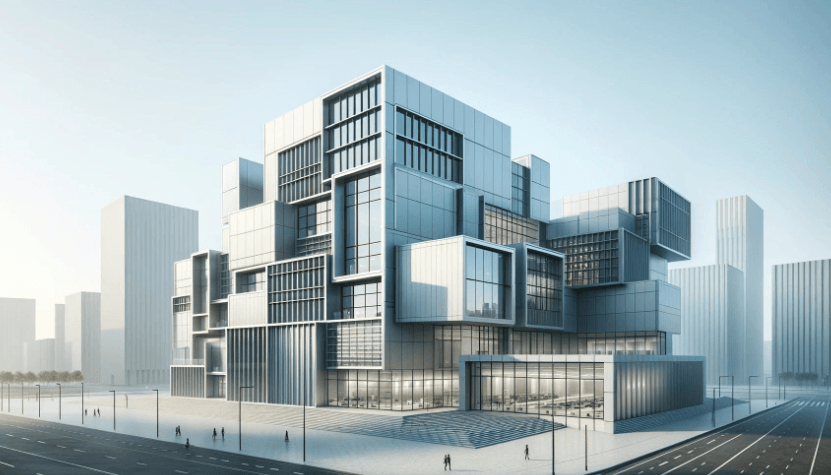
One of the most common applications of aluminum composite material is exterior wall cladding. It protects buildings from environmental conditions while enhancing their architectural appearance.
Interior Decoration
Many commercial and residential spaces use aluminum composite material for wall panels, ceilings, partitions, and decorative features because of its modern finish and easy maintenance.
Renovation Projects
Building renovation often requires lightweight materials that improve aesthetics without placing additional stress on existing structures. Aluminum composite material is well suited for these applications.
Public Infrastructure
Educational institutions, transportation facilities, healthcare buildings, and office complexes frequently incorporate aluminum composite material due to its durability and versatility.
Factors to Consider When Choosing Aluminum Composite Material
Selecting the right aluminum composite material requires careful evaluation of several important factors.
Material Quality
Consistent manufacturing quality contributes to reliable performance, dimensional accuracy, and long-term durability.
Surface Finish
Different finishes provide varying levels of weather resistance and visual appeal. Selecting the appropriate finish depends on project objectives and environmental conditions.
Installation Requirements
Proper handling and installation help maximize the lifespan of aluminum composite material while maintaining its appearance and structural performance.
Project Specifications
Every construction project has unique technical requirements. Choosing aluminum composite material that matches design and performance expectations helps achieve successful results.
Future Trends
As sustainable construction practices continue to develop, aluminum composite material will remain an important building solution. Advances in manufacturing technology are expected to improve production efficiency, material performance, and environmental responsibility.
The increasing demand for lightweight, durable, and energy-efficient construction materials further strengthens the role of aluminum composite material in modern architecture.
See also: The Ultimate Guide to CCTV Security Cameras for Homes and Businesses
Conclusion
Aluminum composite material has become an essential building material because of its outstanding combination of strength, lightweight construction, durability, and design flexibility. Its ability to perform effectively in both interior and exterior applications makes it a preferred choice for architects and construction professionals.
By understanding the features, benefits, and selection criteria associated with aluminum composite material, project planners can make informed decisions that support long-lasting, efficient, and visually appealing construction. As architectural innovation continues to advance, aluminum composite material will remain a trusted solution for creating durable and modern buildings.