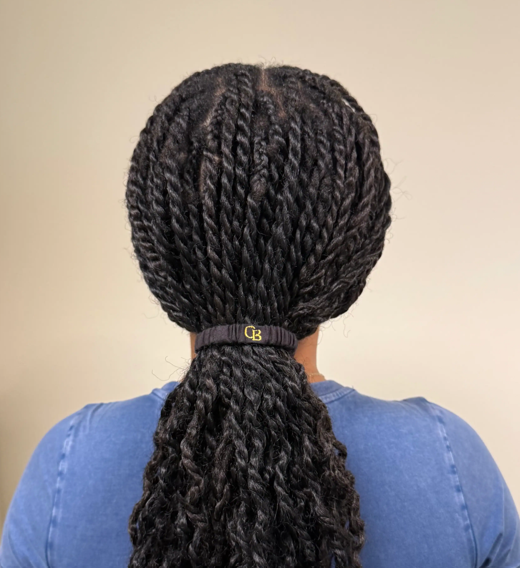
The Environmental Cost of Conventional Hair Accessories
Everyday beauty routines frequently rely on hidden petroleum-based plastics that quietly contribute to global pollution while compromising your hair health. Millions of conventional hair ties made from synthetic rubber and polyester are discarded annually, winding up in landfills or oceans as microplastics. By introducing a plastic-free alternative, Ciao Bella provides a thoughtful solution to this widespread waste problem by engineering high-performance accessories from upcycled natural materials.
Choosing a plastic-free alternative allows you to protect your hair from tension damage while actively reducing your daily environmental footprint. Ciao Bella provides a thoughtful solution to this widespread waste problem by engineering high-performance accessories from upcycled natural materials. By making a simple switch in your daily styling routine, you help eliminate persistent synthetic waste without sacrificing the reliable hold you need.
The Hidden Consequence of Petroleum-Based Beauty Products
Elastic Degradation in Modern Landfills: Standard hair accessories manufactured with synthetic polyester and nylon remain in the environment for hundreds of years. In everyday clinical practice, trichologists routinely see patients who delayed switching to gentle hair ties and later faced severe traction alopecia from tight, unyielding plastic elastics. When these cheap synthetic bands snap within weeks, they are immediately thrown away, multiplying the volume of non-biodegradable waste that accumulates in local ecosystems.
Narrowing Options for Hair Health: Postponing the transition to clean, plant-based alternatives causes cumulative structural damage to your hair shafts over time. Constant friction from rough synthetic fibers wears down the protective outer cuticle layer, leaving your hair vulnerable to splitting and thinning. As tension damage worsens, your styling options narrow significantly, forcing you to manage visible creases, breakage, and frayed sections that require expensive corrective treatments.
Evolving Expectations for High-Performance Daily Essentials
Consumer Demand for Functional Sustainability: Modern individuals require everyday essentials that deliver reliable durability and environmental responsibility without sacrificing personal style. Cheap disposable accessories no longer satisfy conscious consumers who want their purchasing power to support a healthier planet. You deserve premium, dependable items that withstand intense workouts, busy workdays, and diverse styling needs while aligning with your clean beauty values.
The Role of Circular Design: Transforming agricultural byproducts into functional consumer goods represents the future of responsible product manufacturing. Utilizing materials left over from harvests reduces the need for virgin plastic production and minimizes overall carbon emissions. This circular economy approach ensures that daily manufacturing processes actively support ecosystem restoration rather than depleting finite natural resources.
Material Engineering in Modern Hair Care
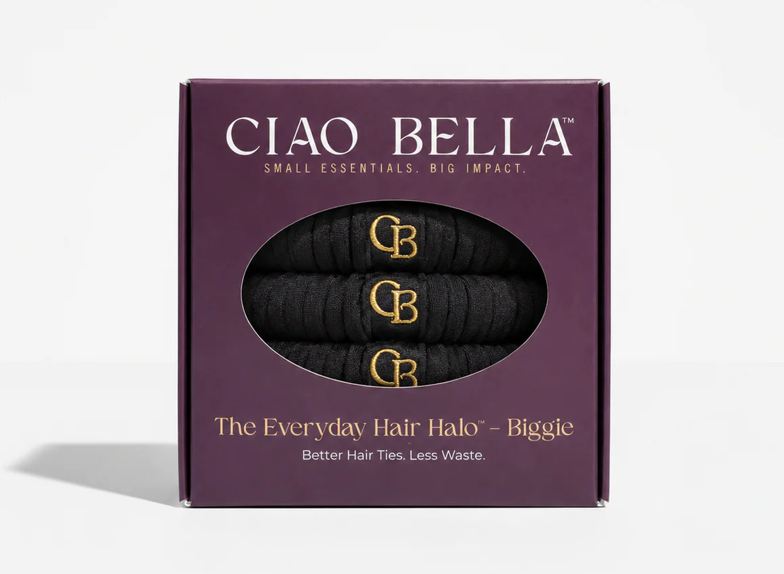
Pineapple Fiber as a Technological Wedge: Upcycled textile technology offers a unique, high-performance alternative to traditional synthetic bands. Fabric woven from agricultural byproducts provides an adaptable, textured grip that naturally secures your hairstyle without pulling or snagging. This material research yields a resilient structure that maintains its elasticity over time, proving that plant-based options can outperform petroleum-based counterparts.
Natural Rubber for Consistent Tension: Utilizing a core derived from organic rubber trees ensures a flexible stretch that respects hair elasticity. Unlike synthetic elastic which degrades rapidly when exposed to sweat and water, natural cores provide uniform pressure distribution. This careful engineering eliminates the sharp tension spikes responsible for headaches and structural cuticle protection.
Evaluating Sustainable Styling Alternatives
Comparing Plant-Based Innovations with Recycled Polyester: Selecting truly plastic-free accessories provides a clean break from the synthetic cycle that recycled-polyester alternatives still perpetuate. While recycled synthetics keep plastic out of landfills temporarily, they still shed microplastics during washes and eventually end up in the waste stream. Plant-based components offer a genuinely clean alternative, combining performance and environmental safety in a single design.
Understanding Product Lifespans and Trade-offs: Investing in well-engineered natural accessories extends the usable life of your everyday styling tools up to one full year. Cheap conventional ties cost less upfront but snap quickly, creating a continuous cycle of expense and waste. Choosing a durable, upcycled alternative saves money over time and prevents dozens of plastic bands from entering the environment.
Key Advantages of Plant-Based Styling Tools
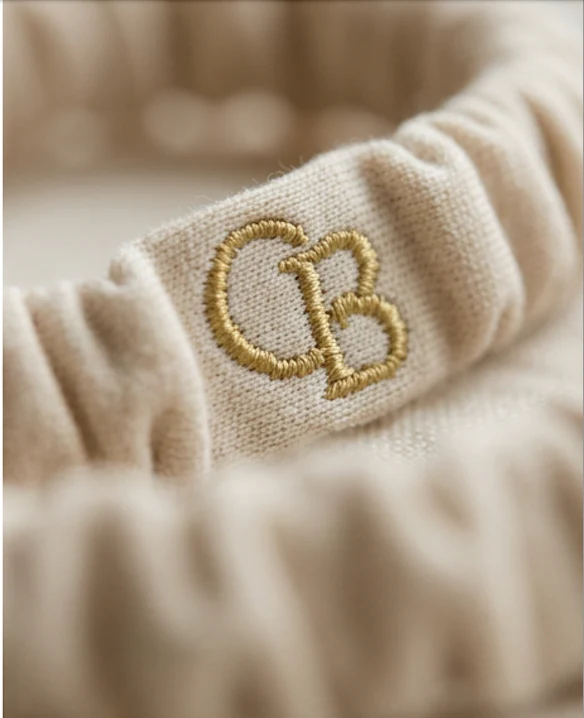
Switching to clean hair accessories manufactured by Ciao Bella helps safeguard the environment while treating your hair with gentle care. Making this small adjustment in your daily routine yields immediate benefits for your styling routine and the planet.
- Microplastic reduction is achieved by eliminating synthetic polyester and nylon from your daily hair care routine.
- Enhanced hair protection occurs because the smooth fibers prevent the friction that causes midday breakage.
- Sweat-activated grip performance ensures the material tightens naturally during high-intensity workouts to prevent slippage.
- Creaseless hold design allows you to transition from a high ponytail to loose waves without visible dents.
- Community support is generated because five percent of proceeds directly fund critical coastal environmental responses.
See also: How a Burn Injury Lawyer Can Help You Get Fair Compensation
A New Standard for Conscious Daily Beauty
Embracing mindful engineering protects your hair from unnecessary breakage while actively reducing global plastic pollution. Continuing to use standard synthetic elastics subjects your hair cuticles to daily friction and guarantees that more non-biodegradable waste enters our oceans. Explore the collection of sustainable alternatives online to find the perfect match for your hair type and styling preferences.