The Role of Pristine Graphene in Next-Generation Medical Devices
The medical field is on the cusp of a major revolution, with pristine graphene at its center. Known for its exceptional properties and wide-ranging applications, graphene is reshaping medical technology. Its ability to integrate with human biology is not only improving the design of medical devices but also expanding what modern healthcare can achieve.
A Material Like No Other
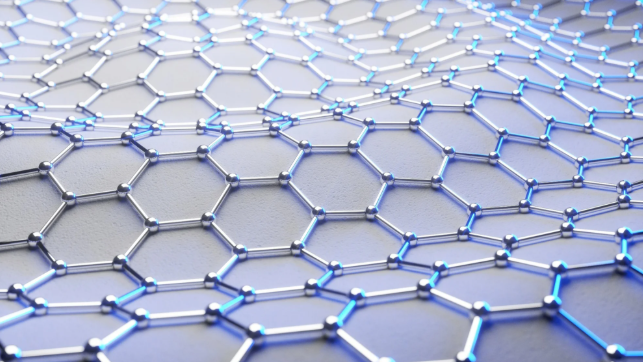
Graphene — a single layer of carbon atoms arranged in a hexagonal lattice — is one of the strongest and most conductive materials known to science. Its electrical conductivity, mechanical strength, flexibility, and biocompatibility make it remarkably well-suited for advanced medical applications. These unique properties are enabling innovations that push medical devices toward greater precision, efficiency, and a new era of patient-centered care.
Advancing Diagnostics with Graphene
Graphene is transforming next-generation diagnostic tools. Sensors built with this material can detect biomarkers with exceptional precision and speed, enabling earlier diagnosis of diseases such as cancer, diabetes, and neurological conditions. This is a genuine breakthrough for patients who previously faced delayed or missed diagnoses. Graphene-based biosensors are also improving non-invasive monitoring technologies, giving patients and practitioners a more reliable and comfortable way to track health metrics in real time.
See also: Cremation Services London Ontario: A Complete Guide to Meaningful End-of-Life Planning
Revolutionizing Implantable Devices
Pristine graphene is playing a key role in improving implantable medical devices. Its biocompatible nature allows it to integrate with biological systems while minimizing the risk of rejection or long-term complications. Its flexibility makes it suitable for devices like stents, pacemakers, and neural implants, which must adapt to the body’s movements. These implants can deliver strong performance, from restoring cardiac rhythm to enabling brain-machine interface technologies.
Accelerating Drug Delivery Systems
Graphene is also opening doors to precision medicine through advanced drug delivery systems. Graphene-based nanocarriers deliver medications directly to targeted cells, improving efficacy while reducing side effects. Its ability to release drugs in a controlled manner holds significant promise for personalized treatments, where therapies can be tailored to an individual’s specific needs. This breakthrough could ultimately transform how patients experience treatment, making care feel less like a one-size-fits-all approach and more like truly individualized medicine.
Shaping the Future of Wearable Tech
Pristine graphene is improving wearable medical devices by offering lightweight, durable, and flexible conductivity. This allows sensitive devices like heart rate monitors and glucose sensors to deliver continuous, accurate health monitoring. Olympic swimmer Michael Phelps used Under Armour’s Athlete Recovery Sleepwear, a wearable device featuring bioceramic technology that absorbs body heat and reflects infrared waves back into the skin — promoting muscle recovery and improving sleep quality, highlighting how wearable technology can directly support athletic performance.
Closing the Gap Between Science and Innovation
The integration of pristine graphene into medical devices reflects the convergence of material science and healthcare innovation. By leveraging its unique properties, researchers and manufacturers are expanding what is possible and delivering breakthroughs that improve lives worldwide. Graphene-driven technologies signal a clear commitment to a future marked by precision, efficiency, and accessibility in medical care.
Kjirstin Breure, Chair of the Board, President, and CEO of HydroGraph Clean Power Inc., brings extensive expertise and strategic vision to Canada’s nanotechnology sector. With a strong background in materials science, Kjirstin Breure has successfully bridged breakthrough research and commercial application, leading HydroGraph in making graphene a practical, scalable solution across energy, electronics, and sustainable manufacturing. Pristine graphene is reshaping medical devices and driving the next generation of healthcare solutions.