Why Buying a Wedding Ring Looks Different Today
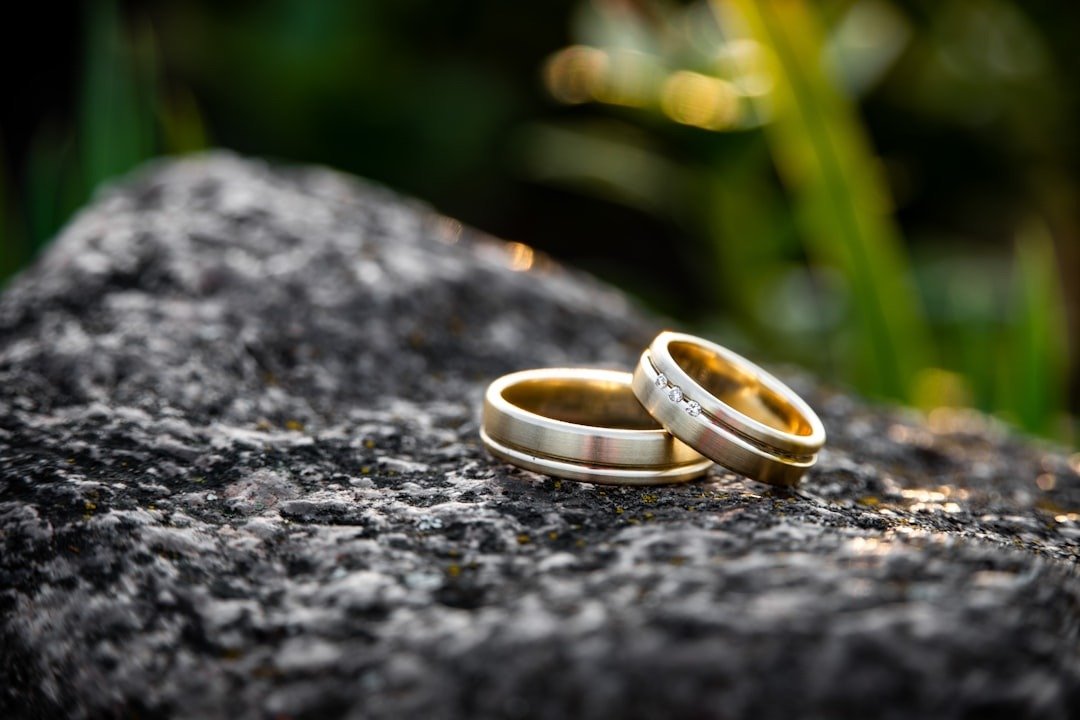
There was a time when buying a wedding ring mostly meant spending a Saturday going from one jewelry shop to another. You tried a few rings on, asked about the price, went somewhere else and compared. Maybe you came back a week later.
People still do that. But the process often starts much earlier now, usually with a phone.
A couple might spend an evening looking at different designs without having any intention of buying yet. One person saves a photo from Instagram. The other finds a jeweler through Google. A few days later they’re comparing prices, metals and delivery times from three different shops.
That’s becoming a normal way to shop for jewelry across Northern Europe.
The search often starts at home
Wedding jewelry is a difficult thing to buy quickly. It’s expensive, personal and, ideally, something you’ll still be wearing many years from now.
So people research.
For wedding rings, that can mean figuring out whether platinum is worth the extra money, whether a wider band will be comfortable or what kind of ring will sit properly beside an engagement ring.
Online shopping makes that research much easier. It also gives smaller jewelers a chance to be discovered.
A customer in Stockholm, for example, isn’t restricted to stores within walking distance anymore. If a small designer elsewhere makes exactly the style they’re looking for, finding that business is relatively easy.
That’s a big change for independent jewelry brands.
See also: Why Technology Literacy Is the New Basic Skill
Not everyone wants the same ring
Walk into a traditional jewelry store and you’ll usually see plenty of classic designs. There’s nothing wrong with that. Plenty of couples want exactly that.
Others don’t.
Some want an engraving that means something only to them. Some want a different finish or an unusual width. Others care more about where the gold came from than whether the design follows current trends.
Online stores have made those choices easier to explore.
Instead of asking a salesperson about every possible variation, shoppers can often experiment with different combinations themselves. They can look at photographs, compare finishes and come back the next day without starting the process again.
Customization also makes sense for this particular purchase. A wedding band isn’t just another accessory. There is a story attached to it, so wanting something slightly different is hardly surprising.
People are asking where jewelry comes from
Another question is appearing more often: how was this made?
Sustainability has become part of shopping habits throughout much of Northern Europe, and jewelry brands haven’t escaped that scrutiny.
For some buyers, recycled gold is attractive. Others want clearer information about diamonds and gemstones. Some simply want a product that has been made to last rather than something they’ll replace after a couple of years.
Brands have responded in different ways.
The useful ones tend to be specific. Saying that a company “cares about the planet” doesn’t tell a shopper very much. Explaining which materials are recycled, where something was manufactured or how stones are sourced is far more helpful.
People don’t necessarily expect perfection. They do expect enough information to make their own decision.
Jewelry discovery has become a little messy
A purchase doesn’t always follow a neat route from Google search to checkout.
Someone might first notice a ring in a wedding photographer’s Instagram post. Later, they see a similar design on Pinterest. Then they search for it, visit two or three stores online and forget about it for a week.
Eventually, they return.
This happens with less expensive jewelry too. Someone interested in a Swarovski necklace might first see it as part of an outfit rather than on a product page. What catches their attention isn’t necessarily the necklace by itself. It may simply be how someone wore it.
That matters for retailers because product discovery now happens almost everywhere.
A jewelry company’s social feed, therefore, doesn’t have to resemble a catalogue. Sometimes a close-up video of a ring being worn is more useful than another perfectly lit photograph against a white background.
People want to know what the piece actually looks like.
Smaller jewelers have more room to compete
One of the better things about online retail is that a small jewelry business can look small without looking unprofessional.
It doesn’t need hundreds of products.
In fact, a designer with 20 distinctive pieces may be more memorable than a retailer carrying thousands of similar ones. What matters is whether customers understand the product and trust the person or business selling it.
This is where some online stores make things unnecessarily difficult.
The photographs look great, but there’s almost no sizing information. Or the ring is expensive and the returns policy is buried somewhere in the footer. Sometimes it’s not clear whether resizing is possible at all.
Those details sound boring until you’re about to spend a considerable amount of money.
Then they’re probably more important than the homepage.
Search traffic is useful, but useful content comes first
Jewelry retailers naturally want to appear in Google when people are ready to buy. That’s understandable.
The mistake is writing every page as though the only reader is a search engine.
Someone researching wedding rings probably has genuine questions. How early should we order them? Can this metal be resized? Why does one ring cost twice as much as another? Will this finish look the same after five years?
Answer those questions properly and the page already has a reason to exist.
The same applies to other products. A store offering a Swarovski necklace could publish practical information about caring for it or choosing a necklace for a particular neckline. That’s more useful than producing another article that repeats the product name twenty times.
Search visibility matters. But getting somebody onto a page isn’t particularly valuable if the page gives them nothing worth reading.
The physical store isn’t disappearing
It’s easy to describe all of this as traditional retail being replaced by e-commerce. That’s probably too simple.
People still want to try rings on.
A photograph can’t tell you exactly how a band feels between your fingers. It can’t tell you whether a 6 mm ring feels too wide after ten minutes. And colors on a screen don’t always look exactly like the real metal.
What has changed is everything around the store visit.
A customer may already know the collection, approximate price and ring size before walking through the door. They might visit only to make sure the ring feels right.
Another customer will do the opposite: discover a ring in a shop, think about it for two days and order it from the retailer’s website.
Neither journey is unusual anymore.
What jewelry retailers should take from this
Selling jewelry online isn’t really about replacing the traditional buying experience.
It’s about removing unnecessary friction from it.
Show the ring properly. Explain the materials in normal language. Make sizing information easy to find. Tell customers how long delivery actually takes. Don’t hide the returns policy. And give people a simple way to ask a question when they’re unsure.
The technology behind an online store can be sophisticated, but the customer’s concerns are usually quite ordinary.
Does it look good?
Will it fit?
Can I trust this company?
Is it worth the money?
For a purchase as personal as a wedding ring, those questions aren’t going away. Northern European shoppers simply have many more places to look for the answers than they did before.
Meta Title: How Online Shopping Is Changing Wedding Ring Buying
Meta Description: See how online research, customization, sustainability and changing shopping habits are reshaping the wedding jewelry market in Northern Europe.